Aphids: Identification, Impact and Control Strategies for Growers
Aphids may be small, but their impact on crops and ornamentals can be significant. For greenhouse and nursery growers, understanding their biology, seasonal behavior and control options is key to protecting plant quality and profitability.
What Are Aphids?
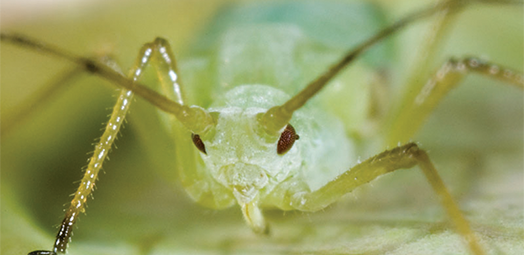
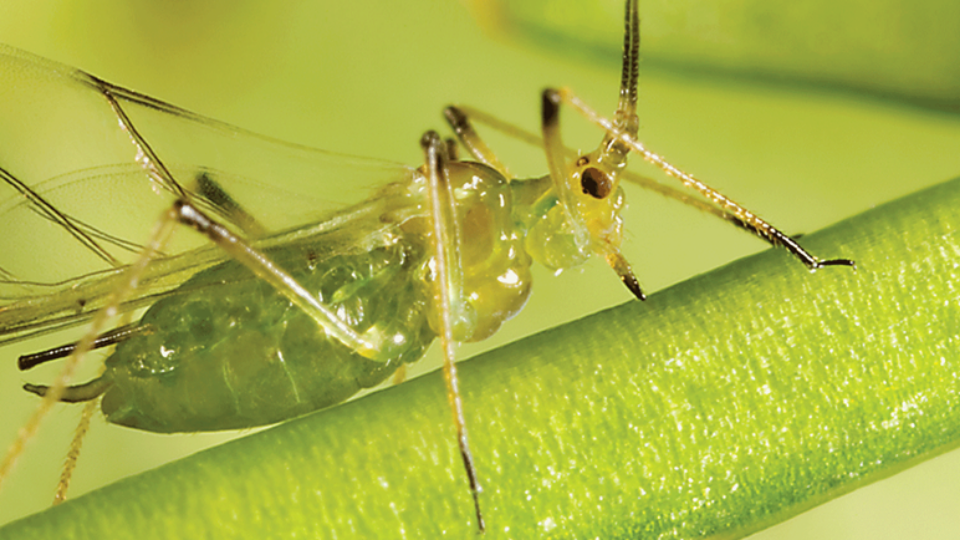
Aphids, often called “plant lice”, are soft-bodied, pear-shaped insects with long antennae at the front and two short “tailpipes” at the rear. They are often one of the first insects to arrive in spring and come in a variety of colors, including yellow, green, black, red and gray.
They commonly cluster on the growing tips of plants or the undersides of leaves, where they shed their skin and leave behind small white flecks.
Why Aphids Are a Serious Threat
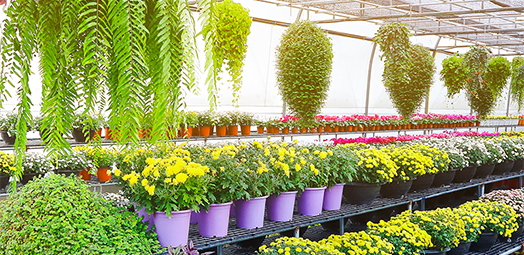
Aphids infest a wide range of crops, including bedding, garden plants, potted plants, cut flowers and cut greens. Their feeding activity can:
- Distort flowers and foliage
- Stunt new plant growth
- Feed directly on stems, twigs and branches (in some species)
As they feed, aphids excrete honeydew, a sugary substance that creates a sticky coating on leaves. This honeydew attracts ants and provides a substrate for dark, sooty mold, giving plants a dirty, unsightly appearance.
Even when beneficial insects like lady beetles and lacewings emerge and feed on aphids, their rapid reproductive capacity often outpaces natural predation. During most of the summer, wingless females give birth to live young instead of laying eggs. Male aphids are not required for reproduction during this period, and cabbage aphids can produce up to 15 generations per season. This explosive reproduction makes infestations difficult to manage once they are established.
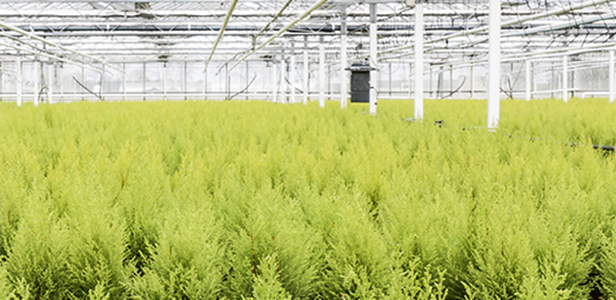
Why Greenhouses Are Aphid Havens
Aphids are one of the most common insects found in greenhouses, and for good reason:
- Warm temperatures and high humidity provide ideal conditions.
- With a stable food source and diverse plant hosts available, aphids can easily find suitable plants to infest.
- Sheltered environments protect them from predators and adverse weather.
These factors allow aphids to reproduce rapidly and can lead to repeated infestations, especially if resistance to pesticides develops.
Effective Aphid Control Strategies
Successful aphid management requires addressing both existing populations and preventing future outbreaks.
- Enstar® AQ Insect Growth Regulator: can be used alone to control aphids before populations reach damaging levels or to treat existing infestations. As an insect growth regulator, it prevents immature insects from developing into adults, reducing future population growth.
- Mavrik Aquaflow® Insecticide/Miticide: provides immediate knockdown. When tank-mixed with Enstar® AQ, growers can limit the impact of existing adult populations while also implementing a preventative strategy against future generations.
- ClearLeaf® Insecticide/Miticide: offers greenhouse operations a non-phytotoxic formula with maximum performance ratios that can be used year-round, making it another effective option in an aphid control program.
For the most effective insect control, all insecticides and miticides should be supported by a comprehensive IPM program. This integrated approach not only targets aphids but also supports long-term pest management and overall plant health.
Stay Ahead of Aphids
Aphids’ rapid reproduction, seasonal adaptability and ability to thrive in greenhouse environments make them persistent pests. By understanding their behavior and implementing a strategic control program, including growth regulators, insecticides and a strong IPM foundation, growers can protect crops, maintain plant quality and safeguard their investment throughout the season.