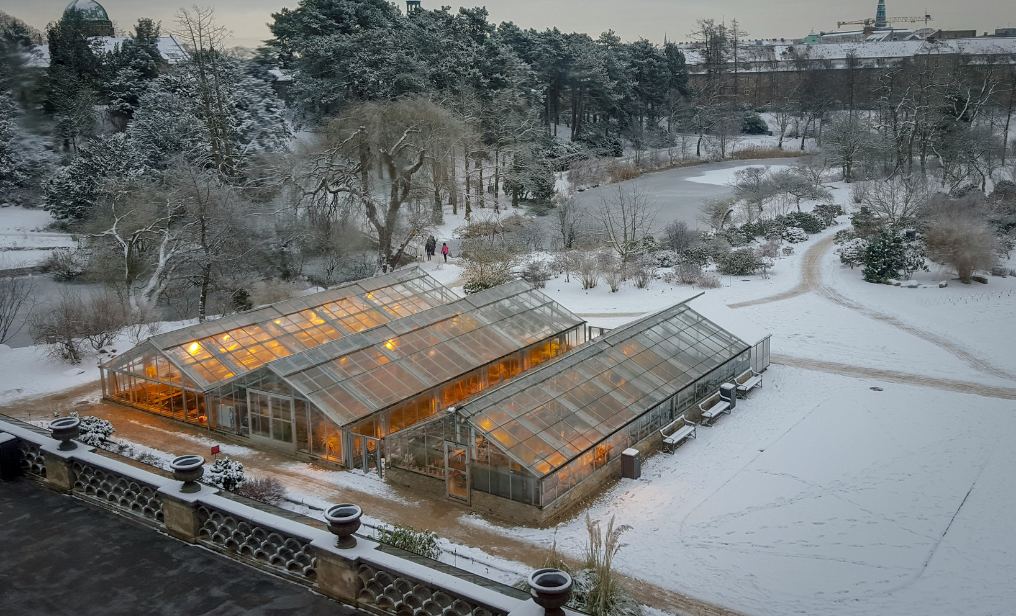
When winter arrives, many insect pests slow down or disappear entirely. But scales are different. These small, often-overlooked insects persist through colder months, quietly feeding on plants and setting the stage for serious infestations once temperatures rise. For greenhouse growers, winter is a critical time to stay vigilant against scales
Spotting and Understanding the Scale Threat
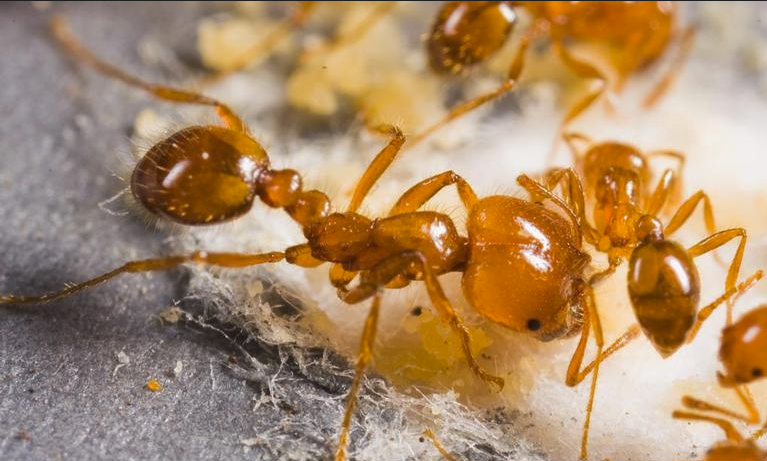
Measuring just 1 to 5 millimeters long, scales can vary widely in appearance. Some are covered in a waxy coating, while others resemble smooth, shiny, pearl-like bumps attached to plant surfaces. Because of their size and camouflage, scales often go unnoticed until damage becomes visible.
Scales feed by removing plant sap, which can stunt plant growth, cause deformities such as chlorotic spots and pits and weaken plants over time. Scales also produce honeydew, a waxy secretion that encourages the growth of dark, sooty mold on leaf surfaces. This mold interferes with photosynthesis, reducing overall plant health and marketability, even when the infestation itself appears minimal.
Scales infest a wide range of greenhouse crops, including:
- Bedding and garden plants
- Potted flowers
- Cut flowers, cut greens, and foliage
They can be found on leaves, branches, trunks, roots, and even fruits. During winter, scouting is particularly important, as scales are easier to see without dense foliage. They often appear as raised bumps rather than moving insects.
How to Control Overwintering Scales and Reap the Benefits Come Spring
Unlike many insects that overwinter away from crops, scales remain on plants year-round. During winter, their limited movement and protective coverings allow them to survive on stems, trunks, and leaves while growers may be focused on other seasonal challenges. With fewer natural predators active during colder months, scale populations can persist unchecked.
Winter infestations are especially problematic because they can carry over into spring, leading to rapid population growth just as plants enter active growth stages. Winter is an ideal time to implement control measures that reduce scale populations before they rebound. Enstar® AQ Insect Growth Regulator delivers broad-spectrum control of scales while remaining gentle on plants and beneficial insects, a key consideration for greenhouse operations.
This water-based formulation provides long-residual control of a wide variety of labeled insects. After contact with its active ingredient, S-Kinoprene, Enstar® AQ IGR also causes adult insects to lay sterile eggs, helping to break the life cycle and prevent future outbreaks.
By addressing scale populations during winter, growers can protect crops now and reduce pressure later in the season. Early detection, consistent scouting, and the right insect growth regulator can make all the difference in keeping scales from becoming a springtime problem.