Spring feels like a reset in the greenhouse. New growth accelerates, propagation ramps up, and plants begin to push fresh, nutrient-rich tissue.
But that same shift creates ideal conditions for a different kind of growth.
Aphids, thrips, and whiteflies are quietly building up their populations in propagation areas and on tender new growth, often before visible damage becomes obvious. By the time pressure becomes noticeable, it takes incredible effort just to keep things under control.
That's why early scouting isn't just routine. It determines whether you prevent infestations or spend the season trying to contain them.
Why early scouting matters
The greenhouse becomes an ideal habitat for pest development in the spring. Warm, stable temperatures, consistent humidity, and nutrient-rich plant tissue accelerate reproduction and shorten generation times.
At the same time, controlled environments limit the presence of natural enemies such as predators and parasitoids.
Together, these conditions allow small, early infestations to expand rapidly if they go unnoticed. Under optimal conditions, pests can quickly explode in growth. For example, greenhouse aphids can double their population in just 2-3 days. Some female aphids can produce 60-100 nymphs over 20-30 days without mating.
Catching pests early allows growers to intervene while populations are still localized, before exponential growth turns a minor issue into a widespread problem.
What to Look For
When it comes to scouting out pests in the greenhouse, there are 3 key pests that every grower should focus on in the spring:
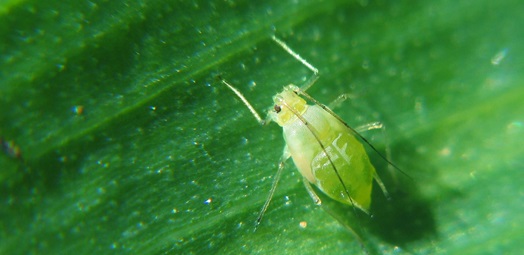
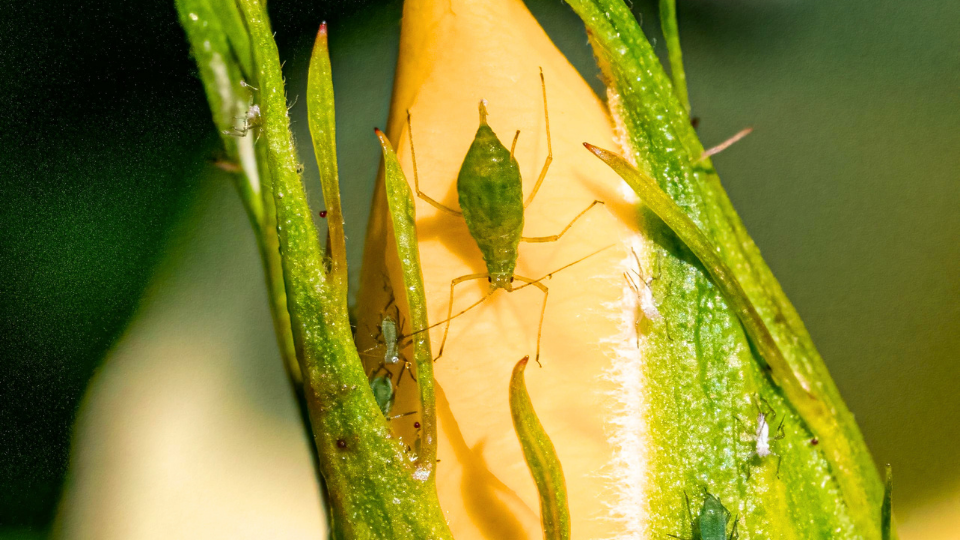
- Aphids - Look for clusters/colonies on tender leaves and stems. Leaves may show signs of leaf curling or distortion. Also, look for sticky honeydew and sooty mold below the underside of the leaves.
- Thrips - Feeding damage often appears before the insects are seen. Watch for silvery streaking or stippling on leaves, along with scarring on new growth, flowers, and buds.
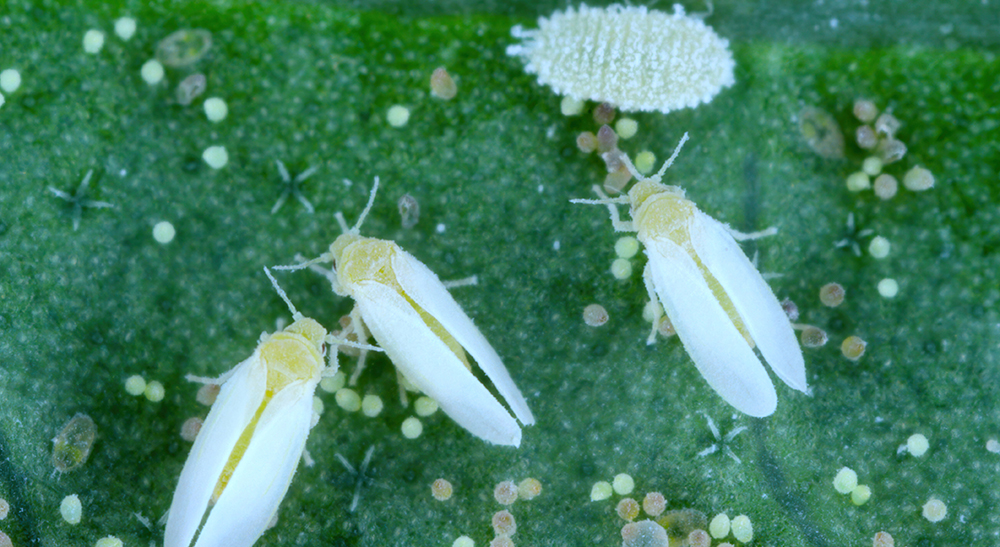
- Whiteflies - Adults will disperse when plants are disturbed. Inspect the undersides of leaves for nymphs and watch for yellowing or premature leaf drop associated with feeding.
When you scout plants, it's important to know what looks normal and what seems off. Recognizing subtle changes in the plant physiology can help you get ahead of a pest outbreak. Inspect both sides of leaves, stems, and new shoots, where pests tend to establish first. Sticky cards can also provide a useful indicator of population trends over time, helping confirm whether pressure is increasing or stable.
Proactive greenhouse control strategy
Once pests are identified, early intervention gives you more flexibility and better outcomes.
Products like ClearLeaf® Insecticide/Miticide can help suppress soft-bodied insects while fitting into rotation programs. For insect growth regulation, Enstar® AQ targets immature stages and prevents adults from laying fertile eggs, helping break life cycles before populations expand. When faster knockdown is needed, Mavrik Aquaflow® Insecticide /Miticide provides broad-spectrum control without damaging delicate plants.
Successful growers stay ahead of pest pressure by identifying problems early, when populations are still small and manageable. Used strategically, these tools make that possible, because once populations are established, you're already behind.